The VPN Problem
For decades, accessing your home or office network remotely meant wrestling with OpenVPN or IPsec. You had to open ports on your router (a security risk), configure dynamic DNS, and suffer through slow speeds as your traffic bounced through a central server.
Enter Tailscale and WireGuard
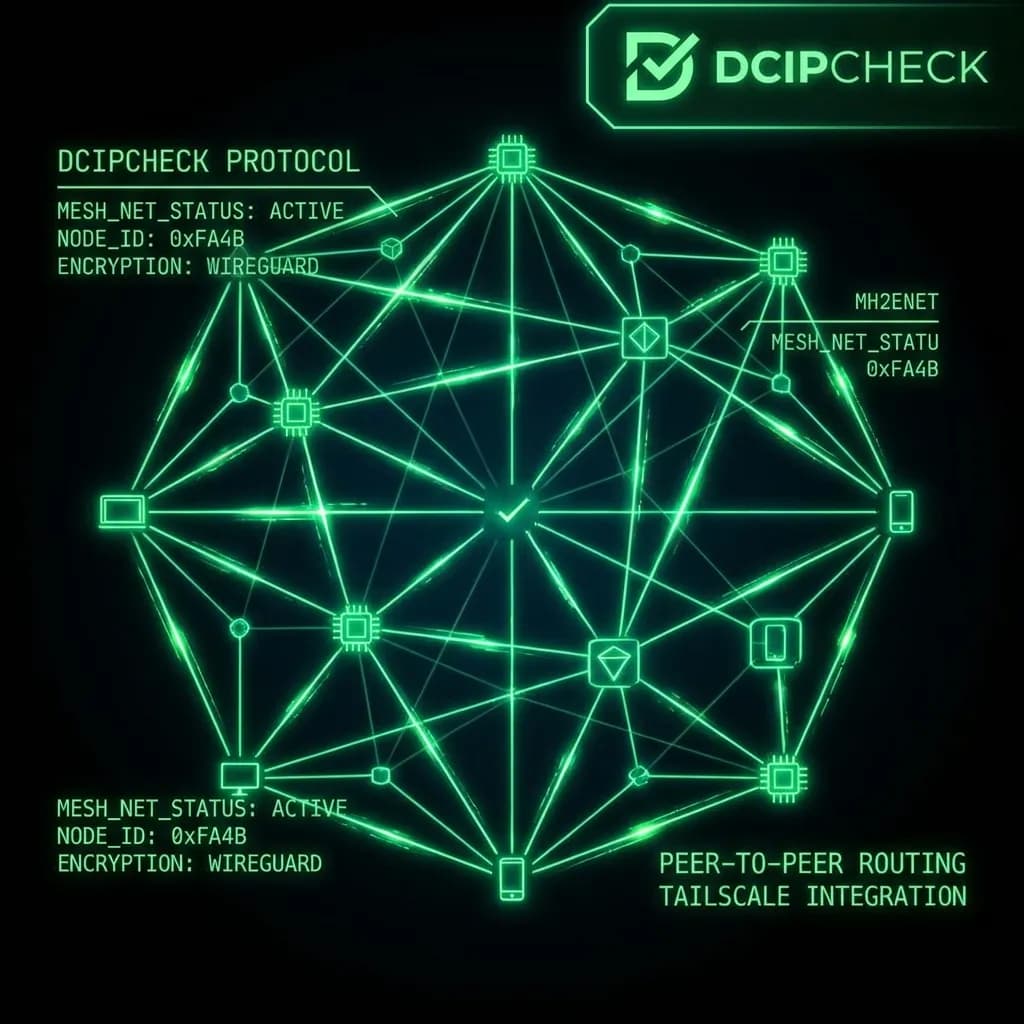
Tailscale is built on top of WireGuard, a modern, high-performance VPN protocol. But where WireGuard is complex to configure, Tailscale makes it magic. It creates a mesh network where every device connects directly to every other device.
- No Port Forwarding: It punches through NAT firewalls using STUN and TURN, so your devices just "find" each other.
- Zero Trust: Authenticate with your existing SSO (Google, Microsoft) identity.
- Direct Connections: Traffic goes peer-to-peer whenever possible, minimizing latency.
"It just works. The magic of Tailscale is that it makes networking invisible."
Why This Trends Now?
With remote work becoming permanent, the need for secure, easy access to internal tools, NAS drives, and home labs has exploded. Tailscale fills the gap between "insecure public internet" and "enterprise-grade VPN nightmare".